
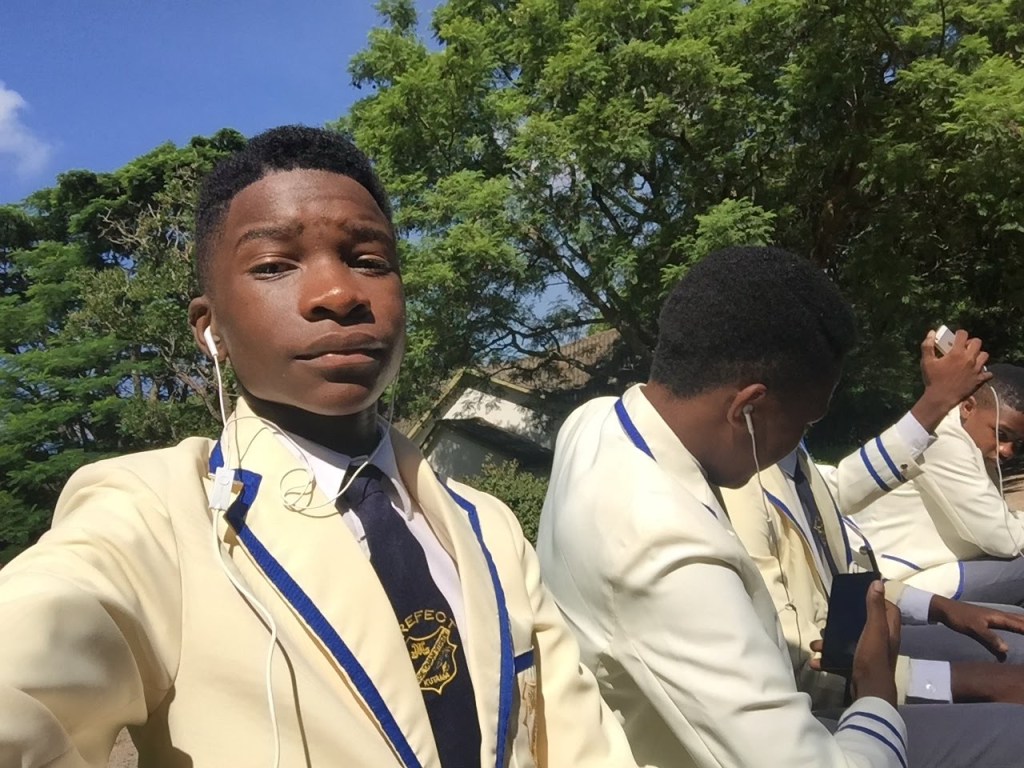
To St. Francis Xavier’s Kutama College,
Definitive. That’s what my sophomore year with you was. Make or break. You might have handed me three chances—perhaps even more—to be among those who represent you as the face of your institution. But that was you. I gave myself one shot.
The toughest battle isn’t fought in a grand arena with thousands of spectators watching two opponents clash for glory. It isn’t the wars we observe from a distance, hoping for a resolution that feels just. No, not in my eyes. The toughest battle was this—a battle of the gods. A fight where the war drums were silent, and the battlefield invisible. Battling it out without letting it seem like we were at war. Mentally challenging everyone, while carefully concealing the fact that we were contenders. Praying no one would uncover our flaws because that would mean elimination from the race. Mending relationships with everyone who’d sit at the table where our names were to be discussed, weighing our compatibility for leadership.
I wasn’t new to you. But this game? This subtle, psychological duel? It was unfamiliar territory. Still, I had made a commitment to fight. And once I committed, there was no turning back.
My mind during this year was also something to battle with. Besides being promoted to not being the least of the juniors now, the year changed my mindset a lot, so let me take you back to my home. The first form was humbling; I had to follow so many instructions that, even at home, I remained the listener and doer. What I wasn’t prepared for was this shift. Spending nine of the twelve months of the year in an environment where I felt the need to fill the void left by a year of being the dumpsite for the rest of the school’s burdens changed me. Those three months at home became a strange mess. I honestly never knew how to keep myself in control, even when I tried. At fifteen, I was the most difficult. Not in any obscene ways—I wasn’t sneaking out to smoke pot with random strangers from the grocery store. It was subtle, but noticeable. I delayed going for family meals, even after being called several times. I pretended to be asleep to dodge helping around the house. I made little comments—enough that my mother reported me to my sister. After a long talk, I realized I might’ve been a problem. But I didn’t stop instantly. My search for liberation while I was with you translated to me fighting battles in places where no one was at war with me.
The best thing about being human is free will. I always had a choice. There were nights when it felt okay to wake up the next morning and just not be as good as I’d been before. My final decisions didn’t have to make sense to anyone but me. It was my campaign anyway. Yet I woke up and still chose good, just so I could feel something. Did my curiosity never get the best of me? Absolutely not. I had moments where I faltered. I thought it was all over in March (just the first of three terms, by the way) when the principal, along with multiple heads of departments, busted me by your balcony. They questioned what I was doing up there on a random Wednesday, disappointment etched on their faces. I couldn’t answer. The debate we were preparing for was more important than any view I could get from the restricted balcony area. This incident alone might have been what I needed to believe in redemption and second chances. Our redemption came with winning the debate fixture. The small disappointment of being caught at the balcony translated into standing tall among all other students. That’s redemption.
During the longest two minutes of my 2017, Brother Mutingwende decided to let us off with a warning. Later, it seemed the memory was erased from his and everyone else’s minds. That was you giving me a second chance. Our relationship wasn’t good because I was the best. You simply gave me a platform to work, make mistakes, and choose how I’d relate to those mistakes. That’s what made us look compatible. From the outside, it might have seemed like it was meant to be. Sometimes the hurdles seemed impossible to cross. But the work made everything look easy.
The clubs I signed up for were more than just distractions from the fact that I lacked the talent to shine in sports. They became avenues where I built skills and found a sense of belonging. As a member of the debate team, I honed my ability to articulate ideas and think critically under pressure. The Interact Society gave me an understanding of what it meant to be privileged, among my peers and in the outside world, and in the LEO Club, I explored the craft of leadership by choice, crafting plans that brought school events to life. These weren’t just activities—they were stepping stones. When I wasn’t immersed in clubs, I got serious about my academics. The gratification came slowly but surely, like a plant nurtured with patience. Every achievement, no matter how small, was another brick laid on the path to something bigger.
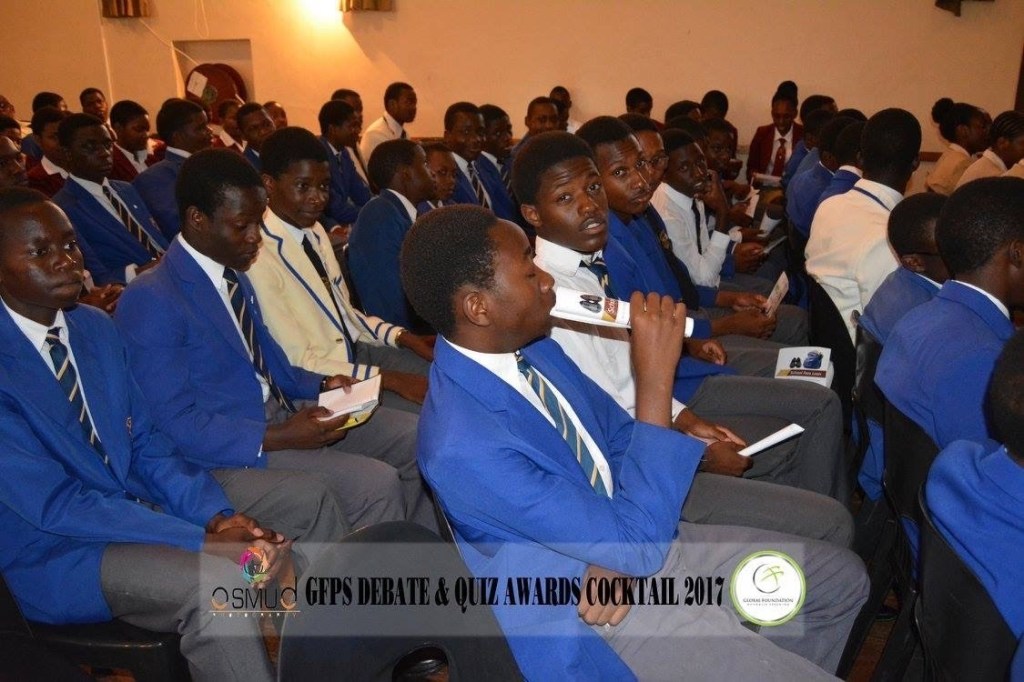
Despite this, I never felt like I deserved any position. All I did was try to lift myself to be someone worthy of selection. Everyone I’d known seemed to be at par with me, whether it was during interviews with questions that sounded foolish or on the track where I ran for fitness, never with any hope of winning. Even after delivering an exceptional school assembly presentation, I’d return to my seat among 950 other students, feeling like just another face in the blue-blazer crowd. But somehow, the sum of all these small efforts was enough for you.
The announcement that I was among the following year’s leaders felt surreal. It was confirmation that I had won one battle, but also a reminder that winning meant another war tomorrow: reelection. When I found myself at the leadership camp surrounded by the coolest people in school, I felt like I deserved a break. I’d made it. But there are no breaks amongst gods. The more deserving you are of a break, the less you can afford to take one.
The leadership camp was both an initiation and a test. We were taught the essence of servant leadership, participating in team-building exercises that revealed our strengths and weaknesses. Early mornings began with physical drills, and late nights were spent planning events and resolving hypothetical crises. The weight of responsibility became real. I realized leadership wasn’t just about wearing a badge; it was about setting an example, even when no one was looking. It was driving a giant that fought day and night. Find time for sleep, and you risk losing the battle.
Yes, I made it to the starting line of the marathon, just after the sprint.

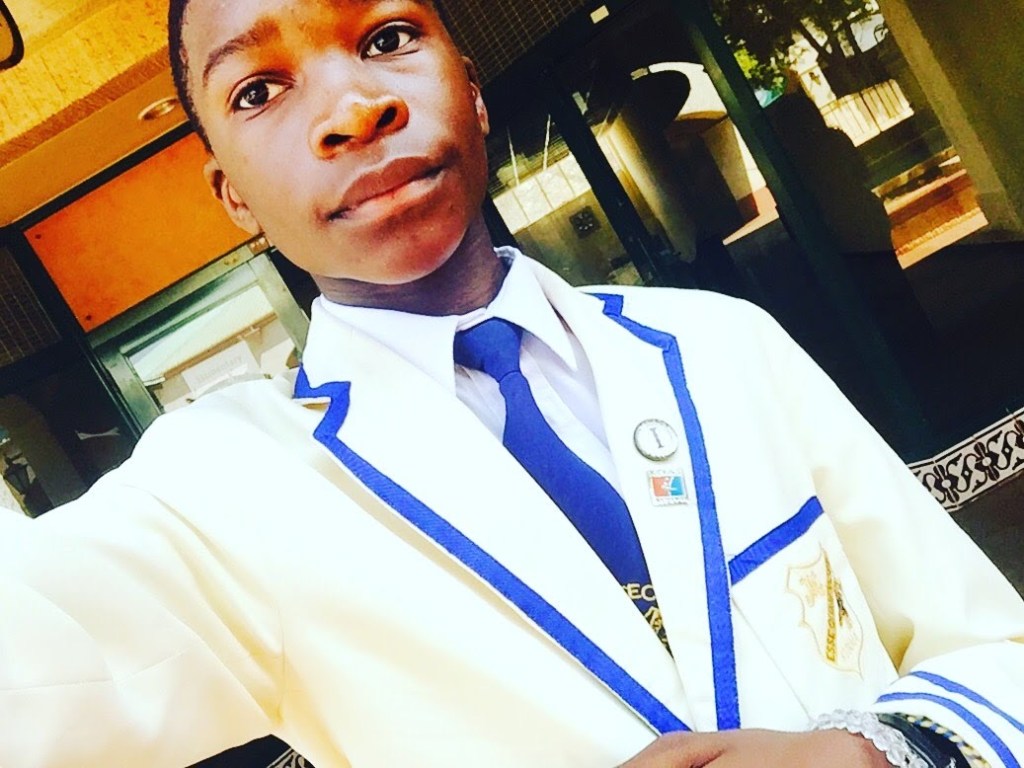




 Tadiwa Vambe
Leave a reply to Takundanashe Kapfunde Cancel reply