
There’s a particular kind of silence that follows victory. Not the celebratory kind, but the kind that asks: “What now?” I’d spent an entire year battling invisibly, carefully, strategically and fighting to be seen as worthy of leadership. And then I won. The announcement came. The position was mine. But winning the battle only meant I’d earned the right to face the war.
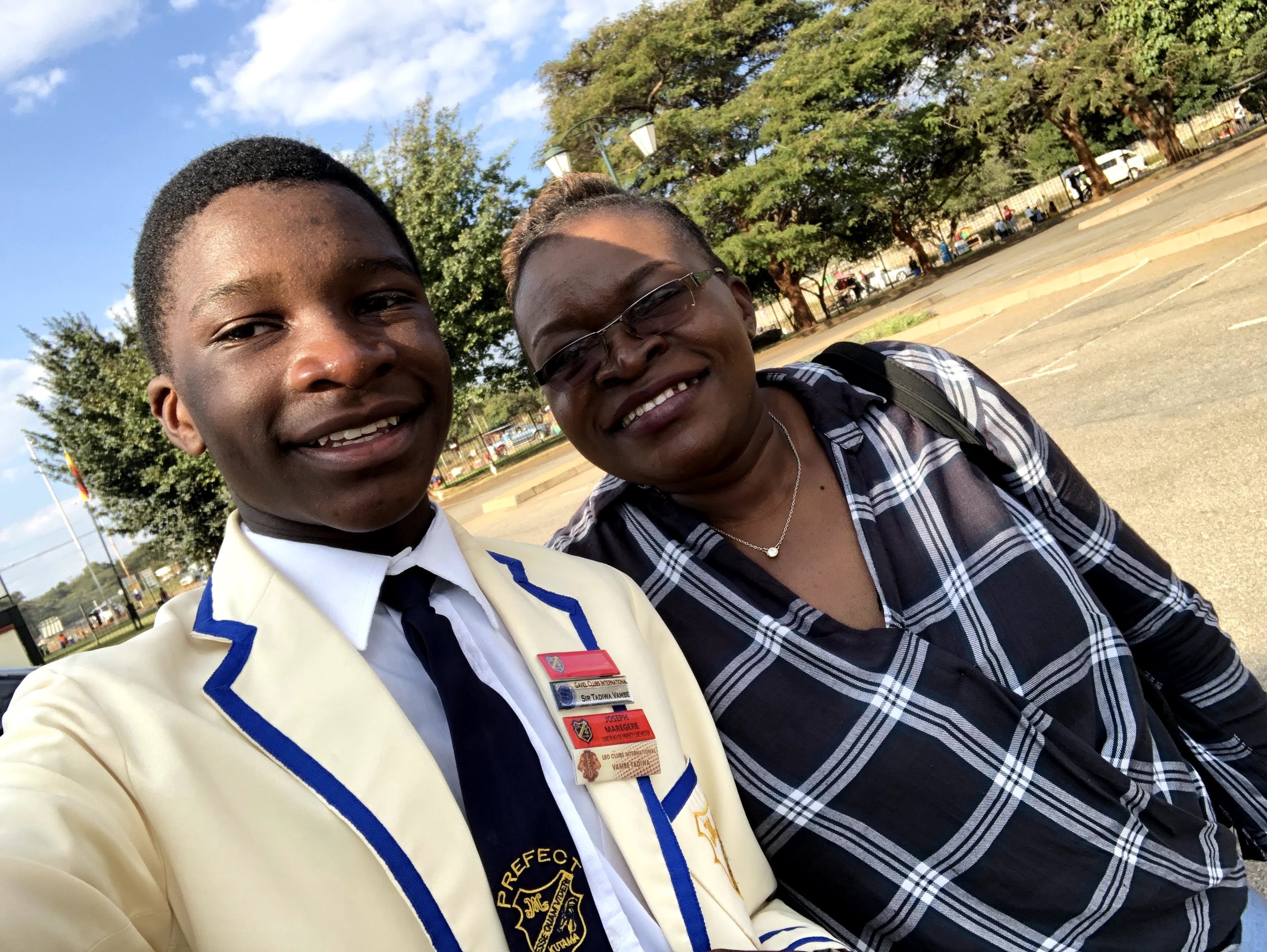
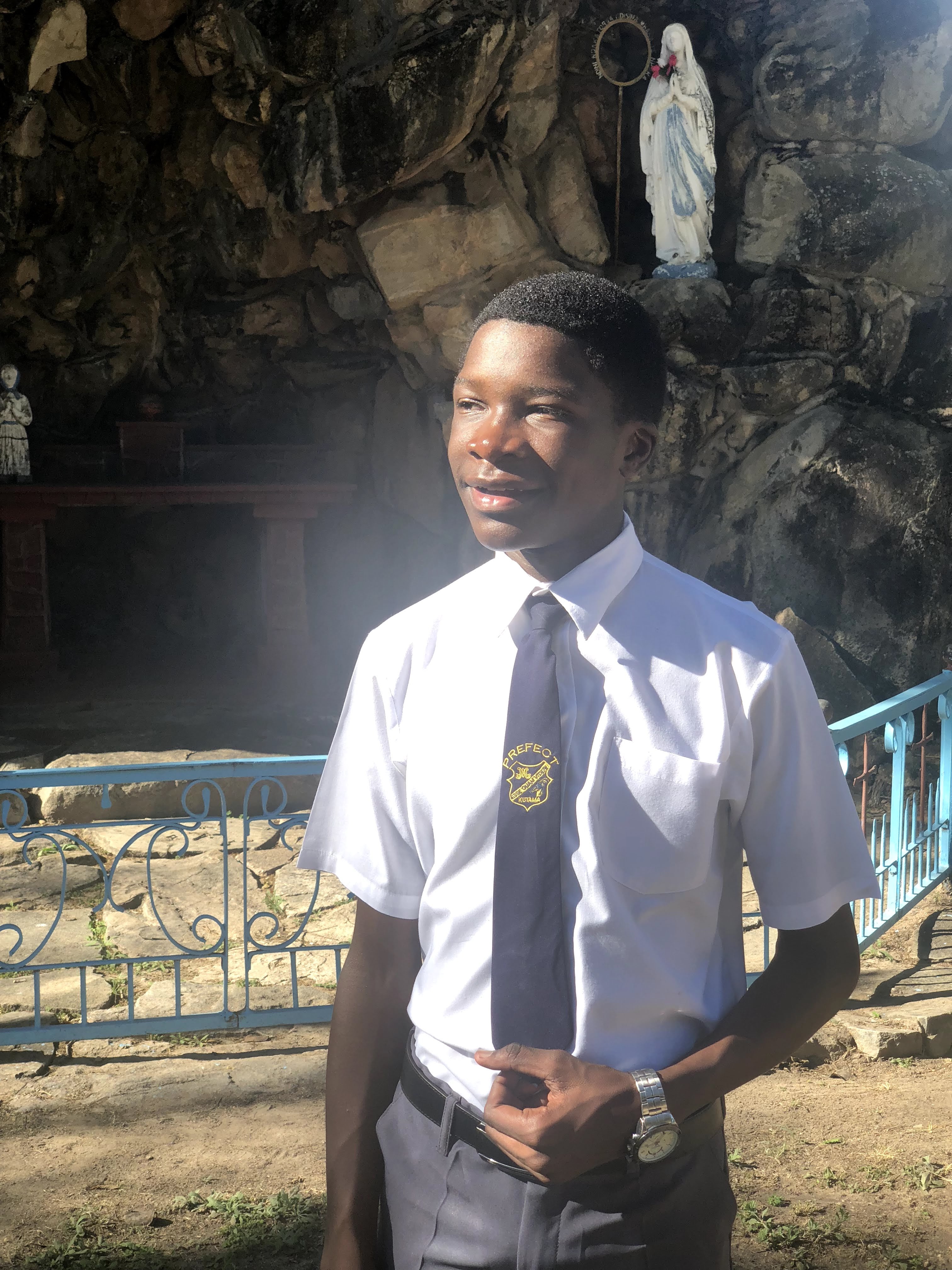
My third year didn’t really begin when the calendar said it should. It began earlier; during that single term when I shifted from being just another student in a blue blazer to being responsible for half a cohort. That transition, compressed and intense, taught me lessons I’m still unpacking today. More importantly, it forced me to grapple with a question I hadn’t prepared for: Now that I’d made it to the starting line of the marathon, could I actually run the race?
The start of my tenure as a house prefect meant I was paired with another prefect from a different house in the same hostel. It didn’t matter if we’d been friends before or not, that was irrelevant now. We shared everything. A room. Responsibility. The pressure to live up to the weight on our shoulders. We were a unit, designed to split the burden down the middle. So when one of us decided to quit, it didn’t just shake me. It peeled back a layer I hadn’t wanted to see: how much I’d been leaning on someone else to carry what I thought I could bear alone.
The empty bed spoke in a language only absence understands. Cold. Impersonal. Naked. Bare where chaos once lived. The cover that once sheltered two now draped over one, but the weight it carried hadn’t halved, it had multiplied. I’d won the right to be here, fought tooth and nail to prove I deserved this position. But I’d never imagined I’d have to prove it in an echo chamber. Not like this. Not this soon.
In the two weeks it took the administration to find the right piece to the puzzle, I became a stranger to myself. Unsteady. Reactive. A house built on two pillars, now leaning dangerously on one. When students rebelled against the system, there was no one but the hostel captain to cover my back, and he had his own fires to put out. Morning rounds to wake everyone up didn’t just double; they multiplied into a maze I had to navigate alone. The problems came faster, sharper, more relentless. Hostel inspections, which used to be a shared headache, became full-blown nightmares I had to face solo. Every decision I made felt heavier because there was no one in the room at night to debrief with, no one to tell me I’d handled it right or laugh about how badly I’d fumbled.
That’s when the question started creeping in, quiet but persistent: Are you still here? Not physically, I was obviously still standing, still wearing the badge, still going through the motions. But was I still here?
I had to check on myself. I had to make sure I wasn’t becoming a ghost in my own body, dissociated by the loneliness that comes with solo leadership. The question haunted me: How could someone quit the position everyone wanted and worked so hard for? Maybe my partner was brave enough to see what mattered to him in a system where priorities seemed to be defined for you, handed down like inherited jewelry you never asked for. Maybe he chose himself over the machine. And maybe I was a coward for seeing the same pressure and deciding to soldier on. Or maybe I was a puppet, dancing to strings I couldn’t even see. The question became sharper, more urgent: Who would I rather show up to the world as—a living coward, or a dead hero?
For a while, I existed in limbo. The empty bed wasn’t just absence; it was a mirror reflecting an uncertain future. Are you still here? I’d ask myself in the silence. My dreams wouldn’t answer back. I was one of the gods I’d wished to become, yet just like my room, I felt half-empty. A throne with no kingdom. A title with no substance. When the administration finally found someone to fill the void, a lot felt lifted. I could breathe again. The relief of getting assistance was almost embarrassing for someone who prided himself on solitude, but it was necessary. It reminded me that some fights are worth fighting, but not all of them are meant to be fought alone. I could start the new year in peace. The old stresses were gone, sure. But new ones were already smiling at me, teeth bared.
The third year wasn’t a cruise. It was a storm disguised as calm waters. A lot became new, but not in the way I expected. Just like the door that closed when my partner decided to leave, much of what I faced was hidden from the outside, at least not yet visible to those watching. I was now the authority, one of the gods walking among mortals. But here’s the thing about being a god: the mobs and kings of this world don’t see or respect gods if they’re nonbelievers. And the rebels in the lower forms? They didn’t believe in anything they couldn’t touch, couldn’t test, couldn’t break.
No god had power over them. They simply didn’t believe. Their beliefs were rooted only in what they saw and what they dared to do. And they saw countless opportunities for rebellious activity; cracks in the system wide enough to slip through unnoticed. They did exactly everything but what the rules told them to do. The stubbornness, the anchored stance against authority, the obsession with being daring enough to get caught and not care. It all had me reflecting on my years in their shoes. I saw myself in them. I knew the thrill I got from going against authority, the adrenaline of breaking rules in hiding, the quiet satisfaction of getting away with it. Yet here I was, tasked with crushing that very rebellion.
Was I becoming a hypocrite? Or was this what mentorship looked like; recognizing the fire in someone else because you’d once burned the same way? I had to sift through parts of myself, holding them up to the light and asking: Are you still here? Some answers marked signs to move forward. Others were invitations to stop, reflect, and reckon with what had happened, and who I was becoming in the process.
For a long time, I was fragile. Not because I was weak. Not because I was stuck in my head for too long, though God knows I spent enough time there. I was fragile because so much had changed, and so little had been learned in the process. I was a kite in a windstorm. Totally flying,. Totally untethered. Totally not in control. The string that once held me steady had been cut, and I was left to navigate the gusts on my own.
When I stopped obsessing over my little world, my room, the hostel, the daily grind of managing half a cohort, and zoomed out to look at the entire school, I realized the foundation itself was shifting. The “iron frame” was changing. And not just tweaking around the edges. The whole structure was being reimagined.
If you love change, try changing school principals. Watch the doctrines you thought were carved in stone crumble overnight. Authority, which used to feel monolithic and clear, became confusing, contradictory. All we ever got was “eat the frog” but we never knew what the frog actually was, or what to do with that statement. Our norms, the unspoken codes that had governed Kutama for decades, were suddenly up for debate. Some focus shifted from one priority to another without explanation. Traditions we thought were sacred were dismantled in real time.
The letters from the president were exposed during school assembly. We stood outside instead of sitting in the school hall. Everything happened everywhere, all at once, and the chaos that change exposes erupted like a wound left open too long. Culture vs. new rules. The old guard versus the new vision. The infighting was clear as day, teachers debating in hallways, prefects questioning orders, students caught in the middle trying to figure out which version of Kutama they were supposed to uphold.
Looking back, some of the change was long overdue. Necessary, even. The old system had cracks we’d learned to step over instead of fix. But the rest? It felt like change for the sake of change, disruption masquerading as progress. At the time, quitting felt like the smartest move. It was a way to swim against the tide before it pulled you under. The matrix was glitching, and it made the brotherhood feel more fragile than it had ever been. Brothers who once stood united now questioned whether the institution we were fighting for was even worth defending anymore.
At some point, I thought the quitters were the smart ones. They saw the ship sinking and jumped before the water rose too high. What I didn’t realize, what I couldn’t see while I was drowning in the day-to-day, was that a new ship was being built. Plank by plank. Decision by decision. And whether I liked it or not, I was one of the builders. The question wasn’t whether I’d stay on the sinking ship or abandon it. The question was whether I’d help build something new, or let the chaos consume what was left.
Are you still here? The question took on new meaning. It wasn’t just about enduring the pressure of leadership anymore. It was about deciding whether I still believed in the place that had made me, even as it unmade itself.
Individually, I couldn’t fix the school. I couldn’t bring back what was lost along the way, not my first partner who quit, not the old culture being dismantled, not the certainty I once had about what Kutama was supposed to be. So I turned inward. And there, I found both a void and a range of mountains waiting to be climbed.
The mountains had names: re-election, O-Level finals creeping closer with every passing term, and the harmony I’d need to cultivate if I wanted the future to count for anything. I couldn’t waste energy trying to control the chaos around me, the shifting doctrines, the infighting, the glitching matrix. But I realized something that changed everything: if I couldn’t control the “Now,” I could architect the “Next.” So I took it to the drawing board.
I answered the “Are you still here?” question, finally. Definitively.
“Physically, yes. Mentally? Already a few years ahead.”
My resolve crystallized. I stayed. Not out of obligation or fear of being labeled a quitter, but because I was too stubborn to let the forces attempting to derail me win. I was no longer just a participant in the chaos, swept along by the current. I became an observer. A strategist. I saw where my unfair advantages were and I milked them dry. I knew what I could influence and what I had to let go. The difference between the two became my compass.
The “limbo” wore off. The fog that had clouded my judgment during those uncertain weeks lifted, and I could see clearly again. I’d survived the emotional dip, the loneliness, the doubt, the temptation to walk away. Now I was ready for the logical hurdle up ahead: how to navigate a system in flux while building something that would outlast the chaos.
Empty spaces no longer made void rooms. Ambition and drive filled the air where absence once lingered. I projected my desired future into that empty space, not as a fantasy, but as a blueprint. I knew where I wanted to be when I left Kutama, and I knew the person I needed to become to get there. So I dived into the unknown, not blindly, but with intention. I didn’t have all the answers. I didn’t have a map. But I had a direction. And I was ready to find the way once I started walking.


 Tadiwa Vambe
Leave a comment